Secondary VA Disabilities
When veterans file their first VA disability claim, they usually focus on the main issue — back pain, PTSD, tinnitus, knee injuries, migraines, etc. But what many don’t realize is that secondary conditions can dramatically increase their rating and overall benefits.
A secondary VA disability is a condition that develops because of another service-connected condition. You don’t need proof it happened in service — only that your primary service-connected disability caused, aggravated, or contributed to the new one.
This guide covers the most common and most overlooked secondary VA disabilities that thousands of veterans qualify for without realizing it.
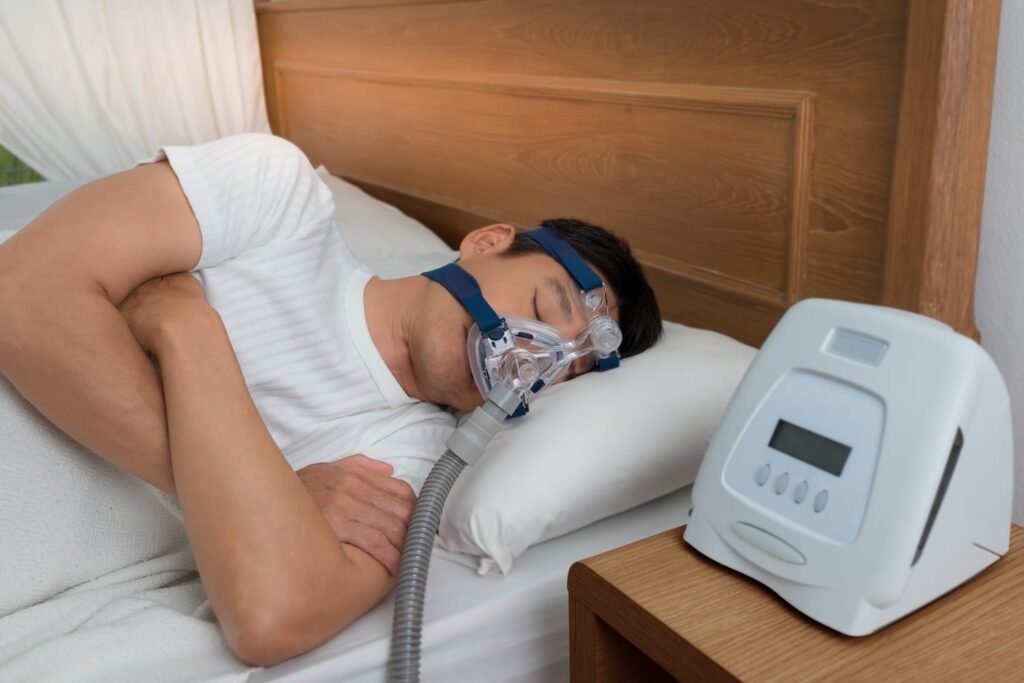
1. Sleep Apnea (Secondary to PTSD, TBI, Depression, or Weight Gain)
Sleep apnea is one of the fastest-growing secondary claims in the VA system.
Why? Because it’s often caused or worsened by:
- PTSD (hypervigilance, insomnia, chronic stress)
- Depression (weight changes, sleep cycle disruption)
- TBI (neurological breathing dysfunction)
- Medication side effects
- Weight gain from chronic pain or mental health disorders
Common Nexus Connection:
“It is at least as likely as not that the veteran’s obstructive sleep apnea is secondary to service-connected PTSD.”
2. Radiculopathy (Secondary to Back or Neck Conditions)
If you have a service-connected spine condition like:
- Degenerative disc disease
- Herniated discs
- Chronic low back pain
- Cervical strain
…then nerve compression can cause secondary radiculopathy in the arms or legs.
Symptoms include:
- Sharp shooting pain
- Numbness
- Tingling
- Muscle weakness
This secondary rating can add 20–40% per limb to your total compensation.
3. Depression & Anxiety (Secondary to Chronic Pain or Physical Injuries)
Mental health conditions commonly develop after years of:
- Chronic back pain
- Migraines
- Loss of mobility
- Sleep disturbances
- Tinnitus or hearing loss
You do not need combat stress to be rated for depression or anxiety.
Real-world example:
A veteran with chronic back pain develops anxiety, irritability, and social withdrawal because the pain never stops — that is grounds for a secondary mental health claim.
4. Migraines (Secondary to TBI, PTSD, or Neck Injuries)
Migraines are often linked to:
- Traumatic brain injury
- Whiplash or cervical strain
- PTSD hyperarousal
- Stress and sleep deprivation
Migraines can be rated at 0%, 10%, 30%, or 50%, with 50% being one of the highest-paying single-issue ratings.
5. GERD (Secondary to NSAIDs, PTSD, or Anxiety)
A commonly overlooked secondary condition. GERD can be caused by:
- NSAIDs taken for chronic pain
- Anxiety or PTSD (acid production increases)
- Certain medications
- Sleep disruption
You’ve personally experienced this — and countless other veterans have too.
6. Hypertension (Secondary to Anxiety, PTSD, or Sleep Apnea)
Hypertension is frequently secondary to:
- PTSD (constant “fight or flight” state)
- Sleep apnea
- Chronic stress
- Medication side effects
Hypertension is a strong secondary claim because it is highly documented in medical literature.
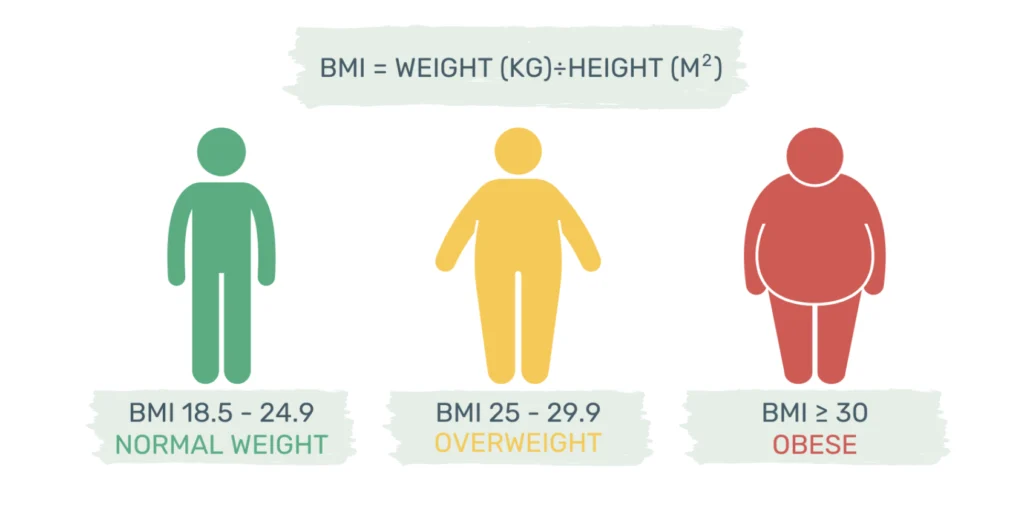
7. Obesity as an Intermediate Step (Leads to Multiple Secondary Claims)
Obesity itself is not rateable.
But VA law allows obesity to act as an intermediate step between other conditions.
Example pathway:
PTSD → insomnia & overeating → obesity → sleep apnea
PTSD → weight gain → knee/hip arthritis
Back pain → reduced mobility → obesity → hypertension
This is a powerful tool many veterans and VSOs ignore.
8. IBS & Digestive Disorders (Secondary to Anxiety or PTSD)
The gut and brain are closely connected. Many veterans develop:
- IBS
- Diarrhea/constipation cycles
- Cramping
- Chronic digestive pain
These are often caused or worsened by anxiety disorders.
9. Erectile Dysfunction (Secondary to PTSD, Depression, or Medication)
Erectile dysfunction (ED) is commonly secondary to:
- SSRIs and other mental health medications
- PTSD
- Depression
- Hypertension medications
- Diabetes
While ED typically pays a small SMC benefit, it strengthens your primary claim and adds monthly compensation.
10. Arthritis (Secondary to Service-Connected Injuries or Imbalanced Gait)
If you have:
- Knee issues
- Foot injuries
- Plantar fasciitis
- Leg-length discrepancies
…you can develop secondary arthritis in:
- Hips
- Low back
- Opposite knee
- Ankles
- Feet
This is because your body overcompensates when one limb is injured.
11. Tinnitus (Secondary to Hearing Loss or TBI)
Although tinnitus is often a primary claim, it can also be secondary to:
- Hearing loss
- Traumatic brain injury
- Neck/jaw injuries
Tinnitus almost always pays 10%, making it a valuable add-on.
How to Prove a Secondary Condition (The 3 Steps Still Apply)
Just like a primary claim, the VA requires:
- Current diagnosis
- Proof your service-connected disability exists
- A nexus linking the primary condition to the secondary one
The nexus is critical. A strong statement might say:
“It is at least as likely as not that the veteran’s sleep apnea is caused by weight gain due to medications prescribed for service-connected PTSD.”
That one sentence can win a claim.
See what mistakes to avoid when filing your secondary claim here
FAQ: Secondary VA Disabilities
Q: Do secondary conditions get back pay?
👉 Yes — from the date you filed for the secondary condition.
Q: Do I need a nexus letter?
👉 Almost always. Secondary conditions depend on a medical link.
Q: Can I file multiple secondary claims?
👉 Absolutely — many veterans have several conditions cascading from one primary disability.
Q: Can secondary claims raise my total rating significantly?
👉 Yes — some vets go from 40% to 90%+ by adding secondary conditions.